
Brigitte Bardot and Serge Gainsbourg: The Passion Behind the Legendary Song — And Her Birthday Legacy
Serge Gainsbourg was the embodiment of contradictions: kind and vulnerable, yet sharp-tongued and intellectually fearless. He combined rare poetic sensitivity with the provocative boldness of an artist, turning his weaknesses into the very source of his talent. His music was never just songs — they were manifestos, aphorisms, encrypted confessions, where every word carried weight and depth.
Brigitte Bardot, on the other hand, was a dazzling force of nature. She embodied freedom, sensuality, and the carefree spirit of an era. Radiant, magnetic, untamed — she lived beyond rules, remaining the eternal symbol of femininity, adored all over the world.
Their meeting in the late 1960s became the collision of two poles — shadow and light, refined provocation and radiant beauty. The few months they shared were a moment of rare intensity: a passion that flared brightly but could not last long.
For Gainsbourg, it was an inspiration that gave birth to masterpieces — from intimate confessions to daring musical experiments. For Bardot, it was confirmation of her magnetic power, capable of awakening in a man the most vulnerable, tender sides of a poet.
Their union was short-lived but endlessly significant. It left a mark not only on their lives but also on the cultural memory of France — as proof that true passion between two extraordinary people is always more than love: it is an energy that reshapes the very fabric of art.
At the end of 1967, Brigitte Bardot and Serge Gainsbourg were inseparable. In the wave of their passion, he wrote for her songs that later became symbols of French culture. The first was the rebellious “Harley Davidson” (December 1967), where Bardot appeared in a leather skirt and boots — an image of freedom and defiance.
Then followed the duet “Bonnie and Clyde” (January 1968), which turned them into a mythical couple of passion and crime. And soon came the most scandalous composition — “Je t’aime… moi non plus.”
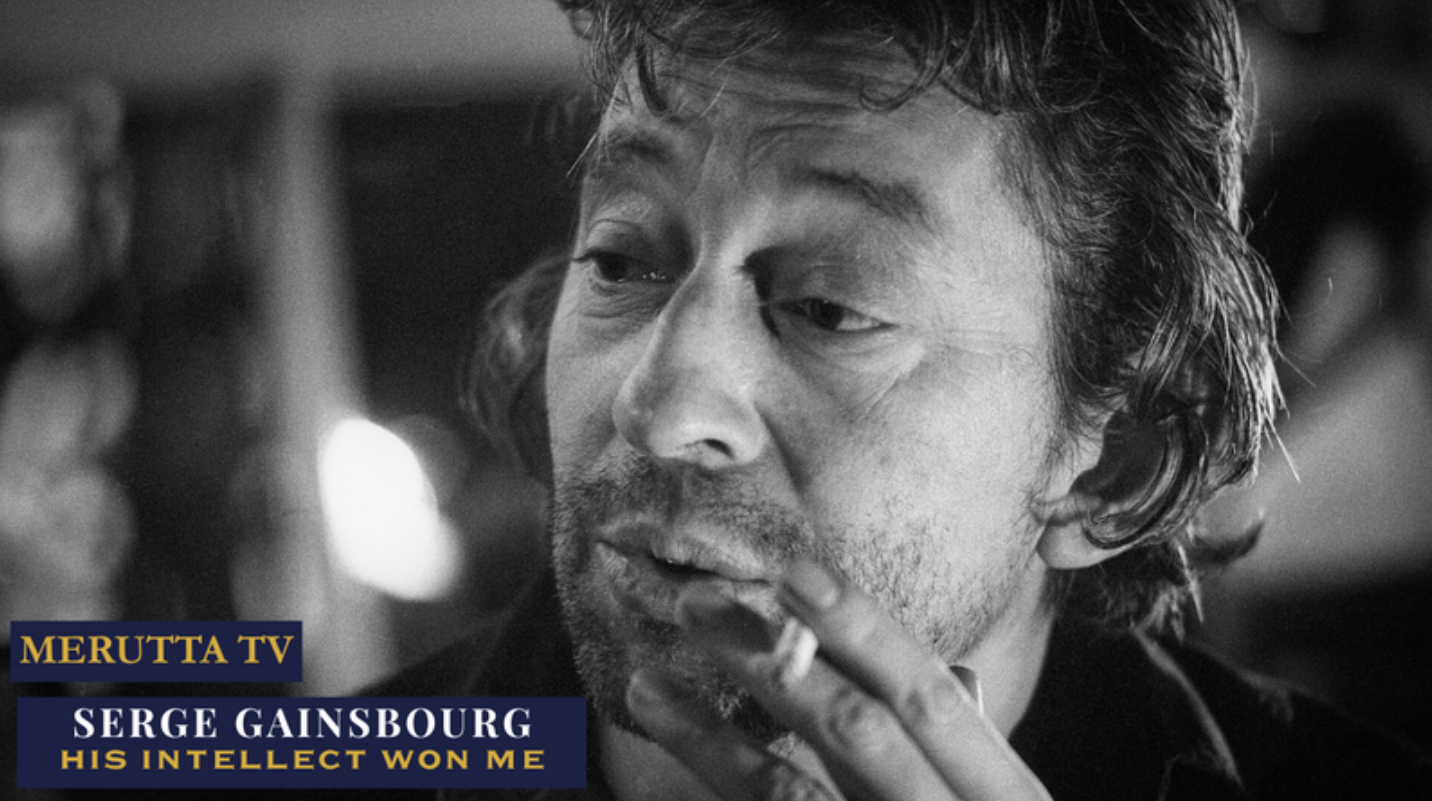 The recording of this “forbidden” song took place in 1967: the arrangement was made by Michel Colombier, and the session in a small glass booth lasted two hours. Sound engineer William Flageollet (who worked with Serge, Jacques Dutronc, and other cult musicians) recalled that he witnessed “passionate embraces” during the recording.
Rumors quickly reached the press. Bardot’s husband, millionaire Gunter Sachs, flew into a rage and demanded the release be stopped. Bardot herself wrote a letter to Gainsbourg: “I beg you, Serge, do not destroy my life.” He obeyed, locked the tape away in the archives, and the original was only released in 1986.
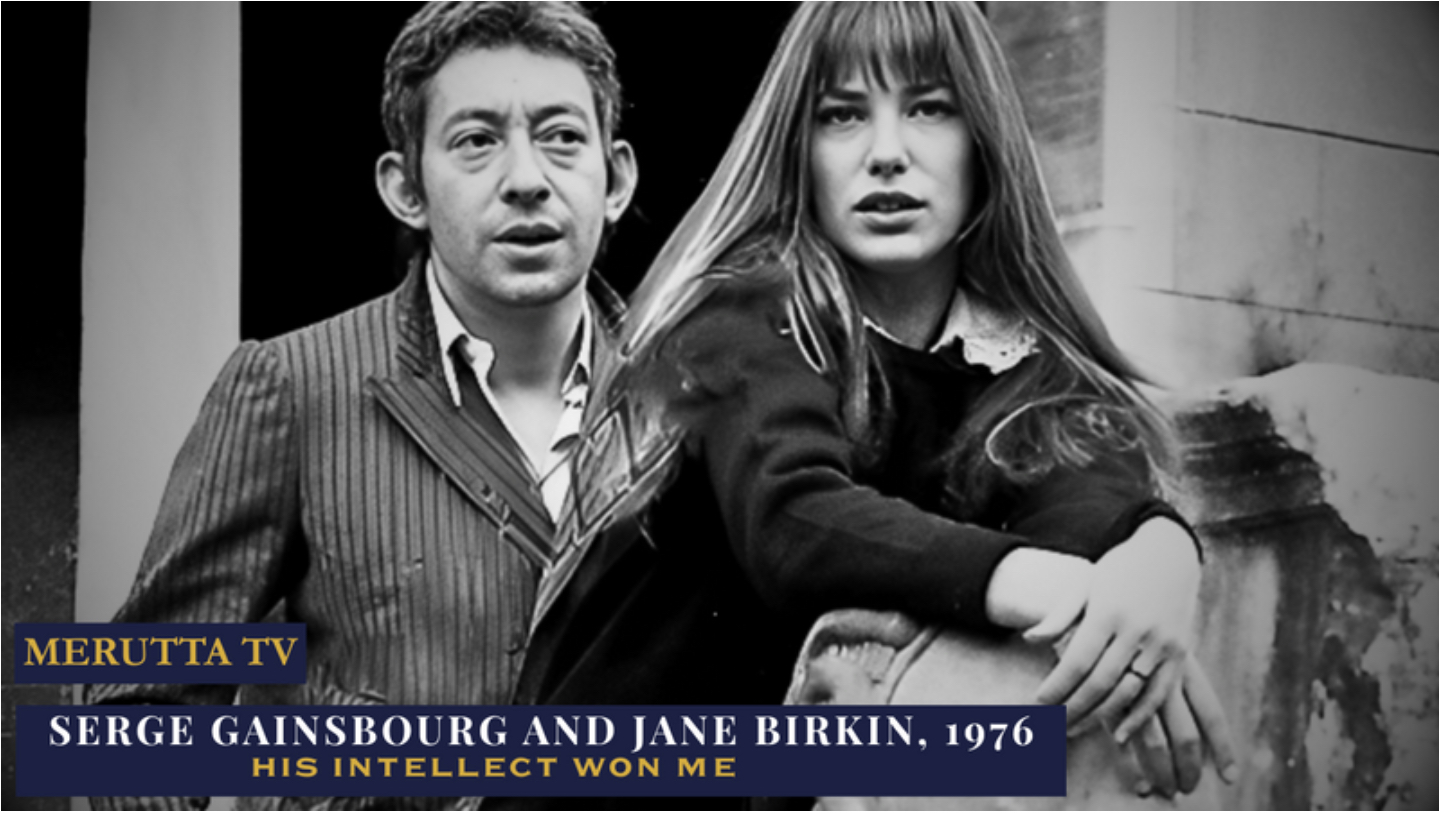
Two years later, Gainsbourg returned to the idea. In September 1969, at London’s Marble Arch Studios, he recorded “Je t’aime… moi non plus” again — this time with Jane Birkin. Colombier’s arrangement remained, but Birkin sang an octave higher — by accident, because she could not reach the lower notes.
This “innocent mistake” made the song even more intimate. Birkin later admitted: “I could barely catch my breath, but it was precisely that breathlessness that created its sensuality.”
The record exploded across Europe: in October 1969, the single reached number one in the British charts, but was banned by the BBC, Italian and Spanish radio, and even condemned by the Vatican.
Meanwhile, the romance between Bardot and Gainsbourg came to an end. It lasted only a few months — from late 1967 to early 1968. Gainsbourg was madly in love, confessing to friends: “I have never written with such obsession.”
But Brigitte, bound by her marriage to Sachs and by the pressure of society, could not bring herself to destroy her life for him. She returned to her family, but in her memoirs she wrote: “I always knew that he wrote for me the best songs of his life.”
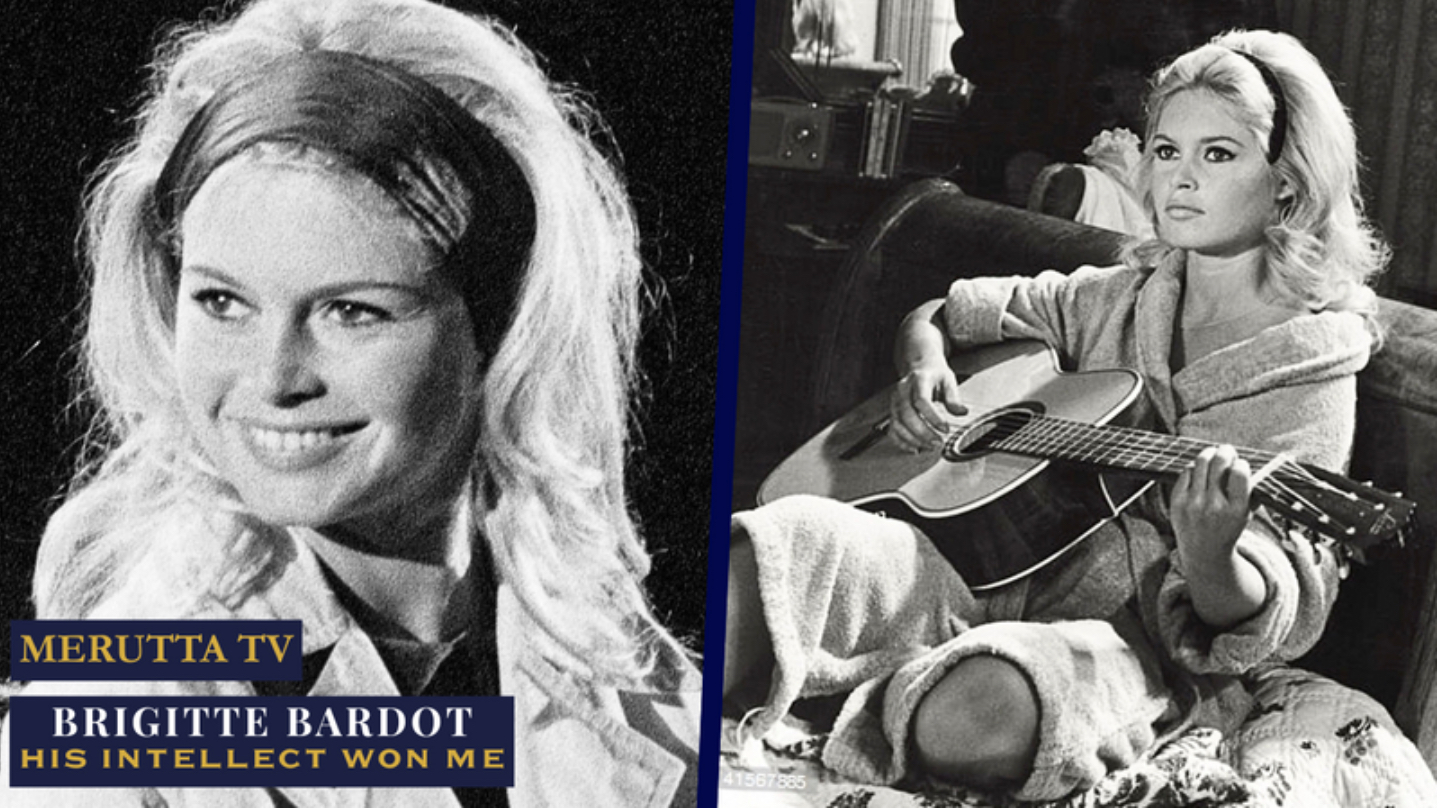 Gainsbourg called her “my muse” and said: “Brigitte opened the door to true success for me.” Their short but dazzling union gave France three legendary songs: “Harley Davidson,” “Bonnie and Clyde,” and “Je t’aime… moi non plus.” Today, the last may seem like nothing more than a playful whim, but in the puritanical 1960s it was a challenge to morality itself.
Their romance ended quickly, but it remained in history as an explosion — of passion, music, and scandal. Two brilliant personalities — the symbol of female freedom and the enfant terrible of the French scene — shook Paris of the late 1960s, turning their love into a cultural myth.
Jane Birkin remembered Bardot this way: “I wanted to look her up and down to see if she was really as beautiful as I thought. There is not a single flaw in that woman.”
 Brigitte Bardot, Serge Gainsbourg, French Music, Je t’aime moi non plus, French Cinema, Birthday Tribute.
«Culture» «Philosophy»

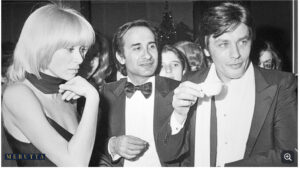
Beautiful woman 🩷
🎂 Joyeux anniversaire, Brigitte Bardot! The world continues to admire your courage, your spirit, and your timeless beauty.
Brigitte Bardot: A Great Woman!