“There are three kinds of actors: bad ones, good ones, and great ones.
Bad ones — that’s obvious — they play poorly.
Good ones — they play well.
But the great ones don’t play at all — they simply live in front of the camera.” — Alain Delon
On August 18, it will be one year since the light of a man went out — a man whose presence could fill the frame without a single word. Alain Delon — an actor whose name became synonymous with the most refined images of European cinema in the second half of the 20th century. He was not merely an artist; he was a phenomenon, a symbol of aesthetics, style, and proud independence of an entire era.
From the very beginning, Delon brought to cinema not only his beauty — almost sculptural in its perfection — but also a deep philosophy. He never sought the audience’s love at the cost of compromise. He knew: popularity without truth is nothing but the empty noise of applause. His magnetism lay in a paradox: he could seem cold, distant, impenetrable — and yet behind this restraint lived a man of vivid passion and loyalty.
“If I bring people a dream through my characters, through everything I’ve done, then I haven’t lived in vain. A dream is always needed, and it will live as long as there are stars in the world… Without them — in cinema, in the streets, in imagination and in real life — darkness would reign.”
— Alain Delon
A Happy and Restless Life
Delon once said simply: “I have lived a happy life.”
But this happiness was not an easy gift. It was won — fiercely, daily, and often at a high cost. He had to defend his “self” from the grinding wheels of the industry, protect his talent from dilution, refuse the easy road leading to universal approval. “To be loved, one must always smile, bow to everyone, seek universal favor, carry on one’s chest a heart — even if false and fake. Smiling is more important than being oneself. But servility is not in my nature. Because then a person loses their personality. It becomes a counterfeit, a creature jumping through hoops at someone else’s whistle.”
— Alain Delon
He chose another way — to remain whole. And to remain whole, sometimes you must be alone.
“That’s where my sharpness and quick temper come from. My rotten character has always existed — now it’s even worse. I leave my seclusion only for business. After making a raid into the outside world, I retreat again into my fortress and raise the drawbridges over its surrounding moats.”
— Alain Delon
Art Beyond the Screen
Delon’s love for art extended far beyond cinema. He understood painting, valued sculpture, and collected beauty with the same discipline he brought to his work. He entered the opera not as a celebrity coming to “be seen,” but as a man who truly listened. He valued friendship with those who themselves were exceptional — Salvador Dalí, Édith Piaf, Jean Gabin — and, of course, with Dalida, with whom he shared a deep personal story.
Simone Signoret must not be forgotten — together with her, he created an unforgettable on-screen duet in The Widow Couderc, directed by Pierre Granier-Deferre — a true monument to her talent. These people regarded him with genuine love and respect.
Losses He Never Forgot
Delon took hard the suicide of Dalida and the death of Maurice Ronet — losses he accepted as personal wounds, saying: “The closest and dearest people have gone.”
He was never a snob. He helped his friends, was open, and understood that not everyone was capable of fully understanding him.
The dearest person to him, eternally devoted to him, Mireille Darc, said:
“You don’t know him at all. He is very noble, as if he came from knightly times.
And despite everything, he was the most dear person in my entire life.”
At the Palme d’Or ceremony, he remembered Romy Schneider and Mireille Darc — and he cried. They were not tears of weakness, nor of self-pity. He cried because they had gone before him. Later, in an interview with Cyril Viguier, he said:
“I miss them so much — Nathalie, Mireille, Romy. But only one thing comforts me: I will meet them again soon. They are waiting for me. I know.”
In truth, he loved only three women in his entire life — and he loved them more than himself.
Alain Delon Biography: Roles and Legacy
In Rocco and His Brothers by Visconti, Alain Delon conveyed loyalty and sacrifice, carved into the face of a young man.
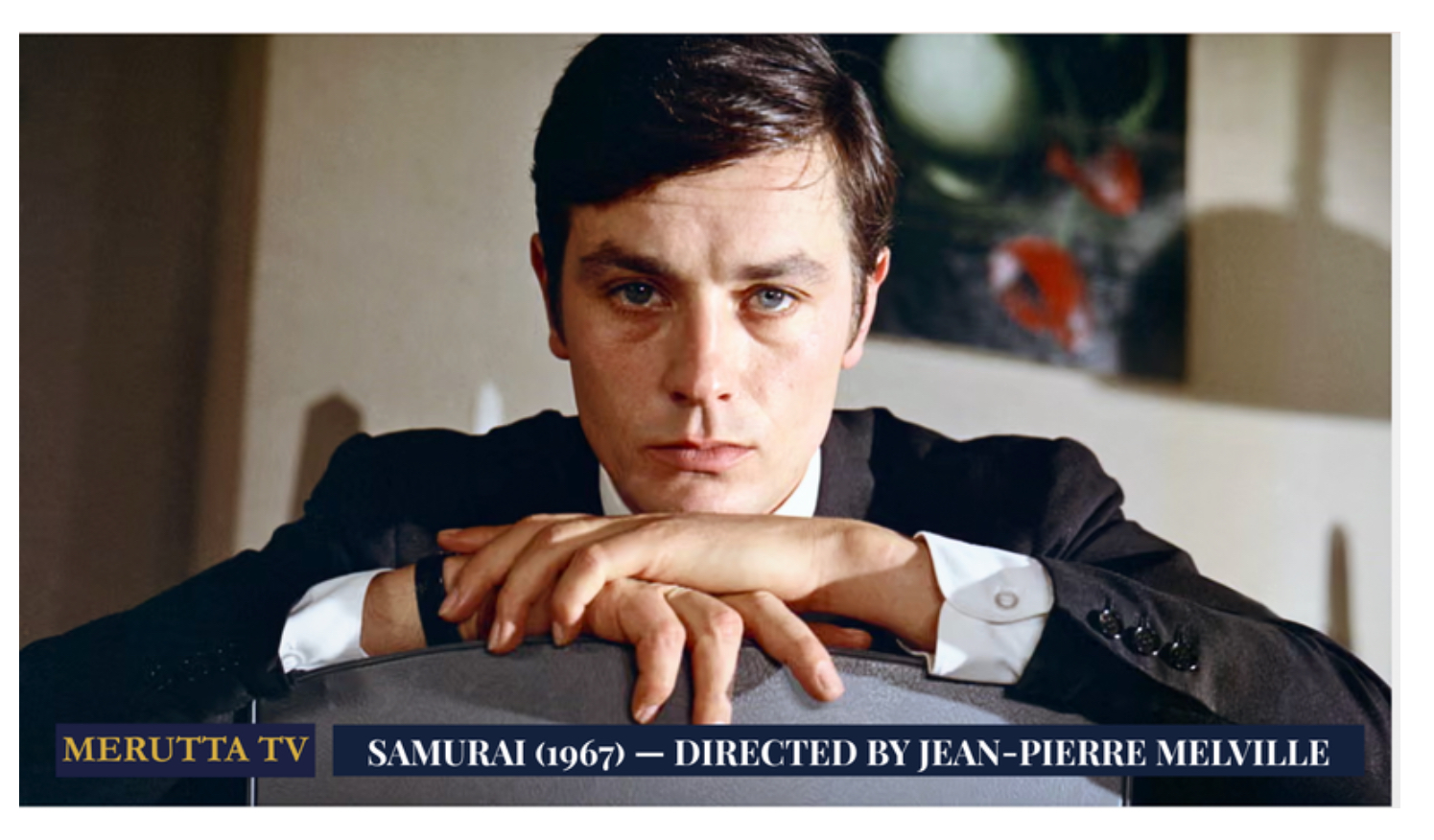
In Melville’s Le Samouraï, he became the embodiment of a personal code — silent, precise, inevitable. No one has ever been able to repeat that silence on screen!
In Clément’s Purple Noon, he combined in a single gaze both the Mediterranean sun and the shadow of moral ambiguity.
In The Widow Couderc (1971) by Pierre Granier-Deferre, he played alongside Simone Signoret in a tragic story that became a model of an actor’s alliance.
In The Unvanquished (L’Insoumis, 1964), he acted with Italian actress Lea Massari — a powerful, unique film by director Alain Cavalier, proven over time. For me, this is his most expressive and tragic role — Delon played it brilliantly!
But these were never just roles. As François Chalais observed, in Delon cold detachment coexisted with deep sensitivity. Each image was an act of living, not pretending. That was his paradox: distance that attracts, and restraint that ignites curiosity.
The Final Word
One might say: a year after his departure, the films remain… But in reality, there is no departure, because he is and always will be — for hundreds of millions of admirers of his talent. A Grand Man and Artist! He, like no one else, made millions of people fall in love with him. Yes, he possessed meditative and flawless beauty, but the Delon phenomenon is not in this, but in the fact that he is genuine, not pompously glamorous… not invented. And it is enough to simply say — Alain Delon.
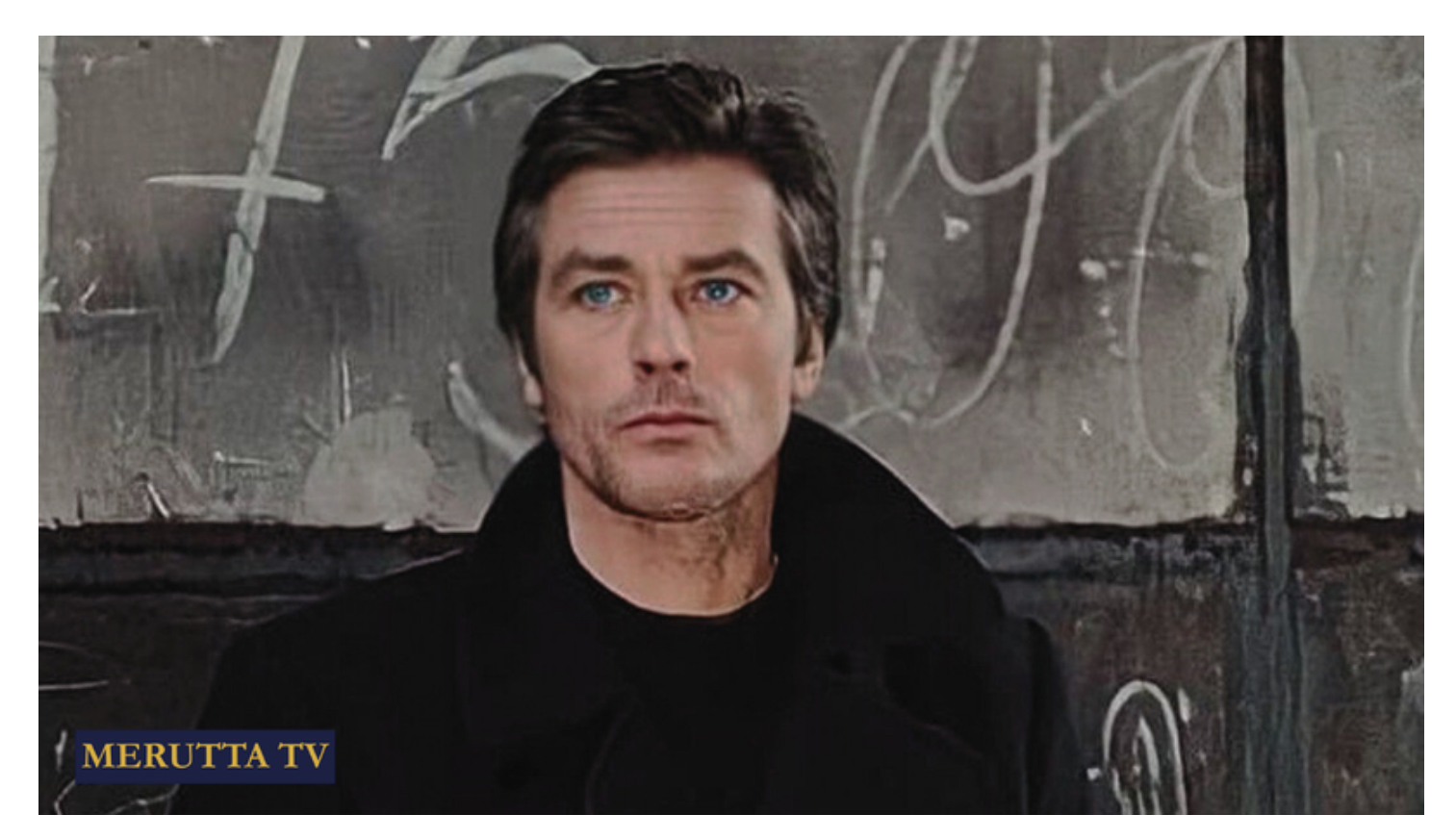
“I do not play up to anyone and I do not hide from anyone. I am the way I am. You have every right to accept me or reject me. Contrary to what is written about me, I am very sensitive and emotional. I have the right to be. How else could I have become an actor, a great actor? I feel happiness and suffering more than others.” — Alain Delon
Read us on MEDIUM: